


15% OFF already applied sitewide + 2 FREE Classic Latex Pillows | BLACK FRIDAY

Quality & Safety

Natural Latex. Verified Quality.

Natural rubber latex, independently tested, certified OEKO-TEX® Class I for babies and made to UK & European standards: the standards behind every Divine DunlopDreams latex (rubber foam) mattress and topper.

Four principles behind our natural production. Point at one, or tap it, to learn more.

01 · Safe

Baby Certified

  • So clean. So pure.
  • So delicate. So natural.
  • Baby’s gentle skin is protected.
  • You are protected as well.

100%Class I certified latex cores and pillows

Baby certificates show how seriously our materials are tested. A baby’s skin is the most delicate there is, so we are Baby Protected: Class I is the strictest class, and the same material is within the limits of every other class too, for adults and every other customer.

A young child asleep on a soft white pillow
The class
OEKO-TEX® STANDARD 100 has four product classes. Class I is the class for baby articles and applies the strictest limits.
Who tested it
Hohenstein, an independent institute, tested the latex foam itself. Certificate 15.HBG.57170 names latex cores, roll latex and latex pillows.
Renewed every year
The certificate must be renewed every year, so the testing is never a one-off. Ours is valid until 31 March 2027.
02 · Pure

Nothing else added

  • No sprays
  • No toxins added
  • No memory foam or polyurethane
  • No cooling gels or coatings

100%of 175 substances within the limit

The core of every latex (rubber foam) mattress and topper is natural rubber Dunlop latex, shaped by the process itself. We do not spray it, coat it or add cooling gels.

See every result →
The core
A natural rubber Dunlop latex core: no springs, no memory foam, no polyurethane core.
The covers
Fabrics tested by Hohenstein for direct skin contact, with no chemical sprays or finishes applied.
The proof
175 substances tested, among them formaldehyde, heavy metals, phthalates, bisphenols, PAHs and solvents. None above the limit.
03 · European

Made in Europe

  • 100% EU–UK production
  • Buying directly from manufacturers
  • 100% European certified
  • Certified by an EU laboratory
  • For EU–UK standards and clients

100%of processing after the latex milk is European

The rubber tree grows only in the tropics. That is the one logical reason our latex milk is collected outside the European Union: it is the only material that cannot come from Europe, a simple fact of nature. Everything after it is done in Europe, to UK and European standards.

We do not only demand quality, we set the standards.

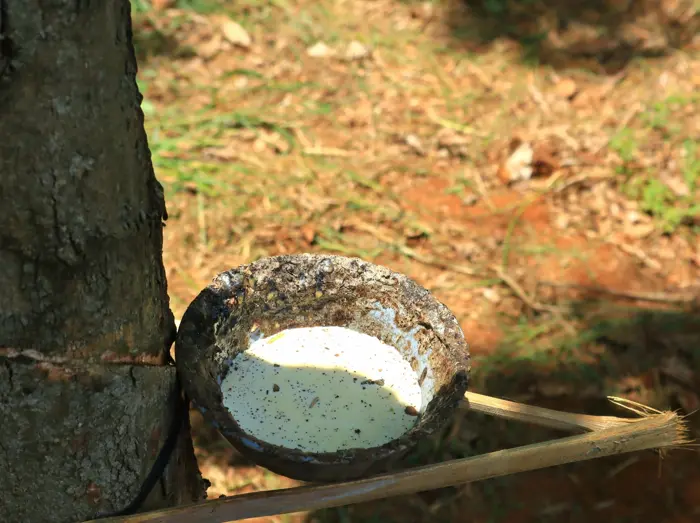
A metal bowl of fresh white latex milk with two rubber tree leaves
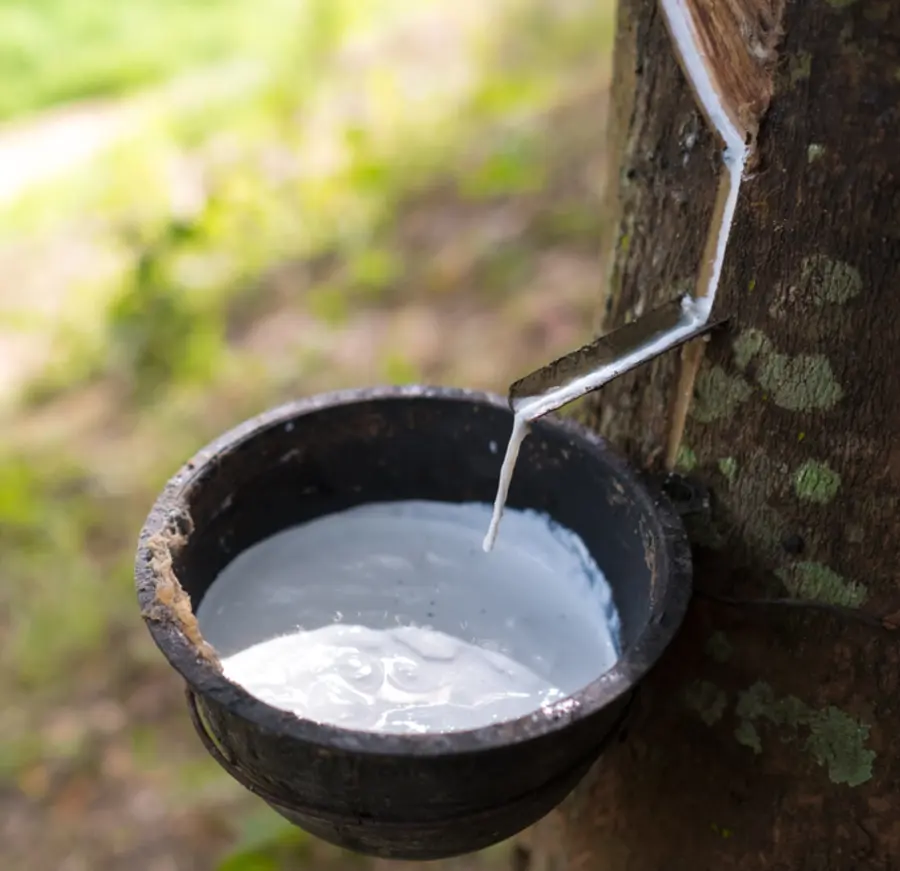
Fresh latex milk, collected from the rubber tree in the tropics
1 · Indonesia
Latex milk, collected from the rubber tree. It is the only material that comes from outside Europe.
2 · Prepared in Bulgaria
The latex milk is cleaned and prepared.
3 · Germany
Latex core construction and processes: the latex cores are made here, and so are the textiles. Quality tests are carried out.
4 · England
Latex core certified: final quality test of the core, final packaging and distribution from our UK depot.
04 · Natural

Natural & healthy

  • We use natural latex foam
  • 100% natural cotton
  • 100% natural wool
  • 100% natural graphite
  • Healthy for us and healthy for our planet

100%healthy environment

A pure, natural environment for healthy sleep, for you and for the planet. Natural rubber is a renewable raw material, and choosing it means less petroleum-based material in your bed.

How natural rubber foam is made →
From the tree
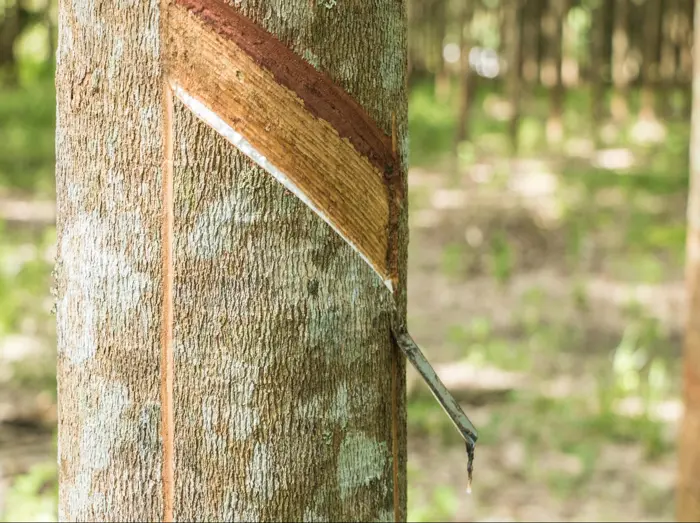
Latex is the milky sap of the rubber tree, Hevea brasiliensis, tapped without cutting the tree down.
Natural covers
Cotton, wool and cashmere covers. Our Orthopaedic model adds layers of natural coconut coir.
Back to nature
Natural rubber is biodegradable: it breaks down naturally over time, which petroleum-based foams do not.
Our quality criteria

Five criteria. Miss one, and the sleep changes.

A good mattress comes from clean material, carries your body, adapts to it, lets it breathe, and is made to standards you can check. Take any one of the five away and the result changes, sometimes dramatically.

Five elements, five short lessons. Choose one to learn what a healthy mattress needs, and what to look for.

  1. Fresh white latex flowing from a tapping cut in a rubber tree into a collecting cup
    Is natural

    Natural rubber Dunlop latex

    We stand for natural material, from the rubber tree to your bed.

    • NaturalRubber from the rubber tree
    • DunlopEstablished European process
    • Class IOEKO-TEX® for babies
    Why it matters
    You rest on this material for hours every night, for years, and every other number depends on it.
    What to look for
    A core made mainly of natural rubber latex, from the rubber tree.
    How we do it
    A natural rubber Dunlop latex core in every latex (rubber foam) mattress and topper. No springs, no memory foam, no polyurethane core, no cooling gels and no chemical coatings.
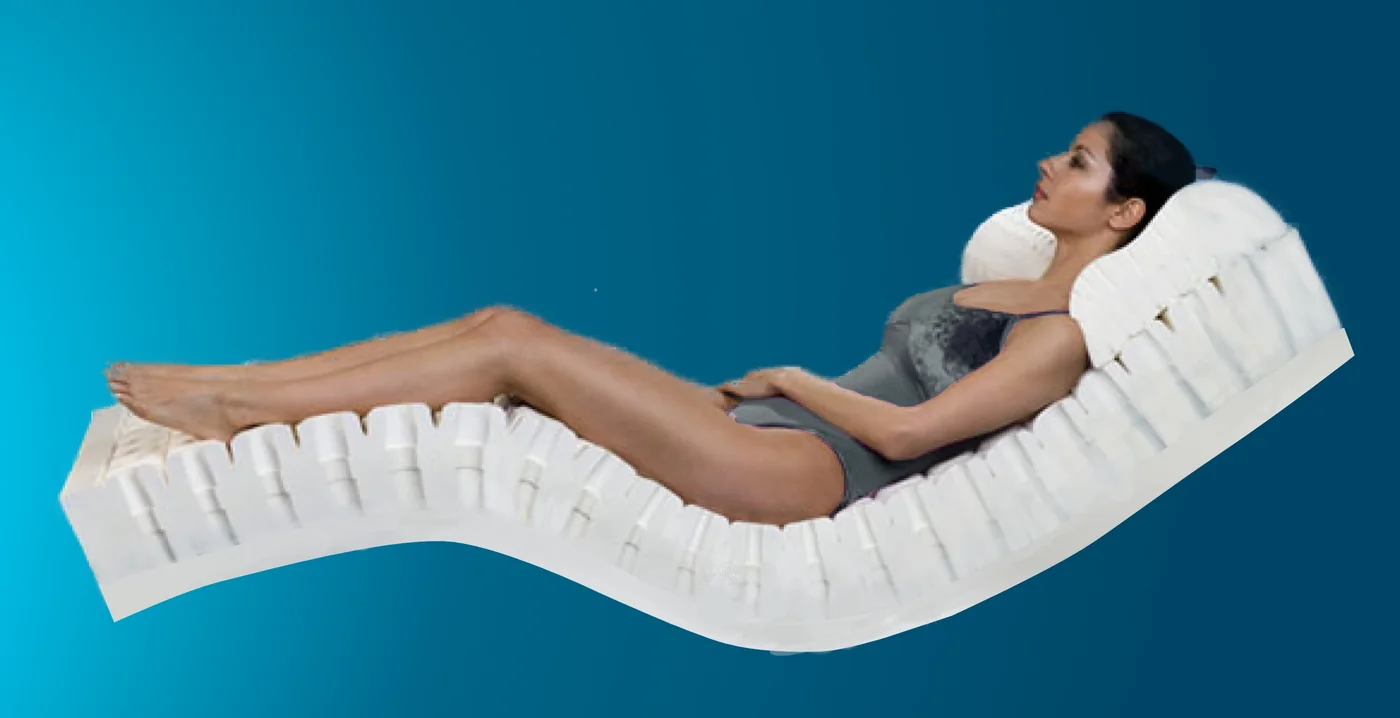
  2. A woman lying on a zoned latex core, with the seven support zones labelled from head to ankle and the firmness of each shown on a dial
    Carries

    On, not in

    We stand for support you can measure, from head to ankles.

    Its fundamental role

    Support looks after the skeleton and the spine, precisely and anatomically, while you sleep. In a latex (rubber foam) mattress or topper it always keeps the body above the surface when you lie down.

    It has to be balanced so that it gives adaptability a foundation to work from. Support and adaptability do not work properly without each other, and only together do they give the right result.

    • 63–88kg/m³ whole core
    • 7 zonesHead to ankles
    • 20–35kg/m³ standard foam
    Why it matters
    Support decides how your spine rests. When the body sinks in, the spine loses its natural line.
    What to look for
    The density of the whole core and the body weight it is made for, not of one thin layer.
    How we do it
    Soft 63, Medium 75, Firm 83 and Extra Firm 88 kg/m³. Every model is zoned in seven, and couples can choose a firmness each. Find your firmness
  3. A woman resting on a contoured latex core that follows the curve of her body
    Adapts

    Instant, the moment you move

    We stand for a material that moves when you do.

    Its role, and its partner

    Adaptability has a different task: to let the muscular system relax. It makes the contact with the surface of a latex (rubber foam) mattress or topper adaptive without losing support, so the body stays above the surface when you lie down.

    It is part of what support does, and just as important. When the muscles relax without support being disturbed, circulation during sleep is stimulated, the nervous system can relax, and the processes that matter most in sleep run at the capacity recovery needs. Support and adaptability work in step, like partners in a dance. Neither works without the other.

    • ImmediateLatex recovery
    • 3–15 sMemory foam, typically
    • 15 yearsGuarantee on our cores
    Why it matters
    You move many times a night. A slow material makes you wait, and leaves an impression behind.
    What to look for
    How fast the material adapts and recovers, given as a number.
    How we do it
    Natural latex adapts as pressure arrives and recovers as you move, with a response ratio of 4.5–5.4, against typically 2.4–3.2 for memory foam. Tested to simulate 10 years of use.
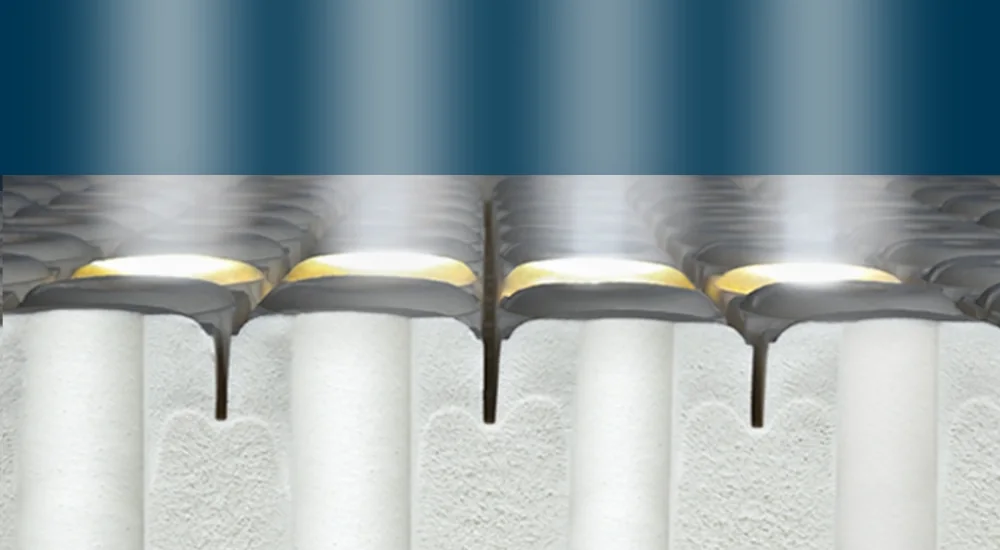
  4. Close-up of the vertical ventilation channels in a latex core, with air rising through them
    Breathes

    No more overheating

    We stand for airflow through the whole core.

    One of the fundamentals

    Ventilation is a component of fundamental importance for healthy sleep. Temperature comfort is often neglected by brands, or described in marketing measures that do not give the clear picture, yet it is one of the main factors in how comfortably you sleep.

    Here latex (rubber foam) mattresses, with their systems of channels and their breathability, are unmatched. This is engineering-proven.

    • Full depthVertical channels
    • Open-cellLatex structure
    • No gelsNo cooling coatings
    Why it matters
    Heat and moisture build up under the body at night. No mattress controls your room, but it can stop heat building up.
    What to look for
    Channels through the full depth of the core, not only the surface.
    How we do it
    Open cells, and channels moulded through the whole depth of every core, so warm, moist air has a way out and fresh air a way in.
  5. Aerial view of a production site beside a river
    Made in Europe, for the UK

    UK & European standards. Certified production.

    We stand for production you can trace, and UK & European certificates you can check.

    1. Latex milkThe only import, from Indonesia
    2. Foaming & curingDunlop process, in Europe
    3. TestingIndependent institute
    4. CertificationOEKO-TEX® and ISO
    5. DeliveryFrom our UK depot
    • EuropeAfter the latex milk
    • 1 importRaw latex milk
    • UKDelivered from our depot
    Why it matters
    Where a mattress is made decides which standards it is made to, and who checks it. Ours is made in specialised European facilities, to UK and European standards.
    What to look for
    Where the foam is made and who certified it, with a certificate number you can check.
    How we do it
    Certified production to UK and European standards, for UK and European customers. The latex milk is the only import: foaming, curing, testing and certification are all done in Europe.

Life. Earth. Water. Air. Fire. Take any one of the five away and the sleep changes. We stand behind all five, together, every time.

What quality means to us

Quality means more than words on a label. It is about designing and crafting latex (rubber foam) mattresses and toppers from natural materials that support ergonomic function and comfort: a clean, comfortable solution tailored to your needs. It is not a marketing boost. It is what we hold ourselves to.

We treat your latex (rubber foam) mattress as an essential part of your personal sleep system. That is why we put ergonomic and anatomical function first, and why we show you the evidence behind what we say.

Backed by independent testing and UK & European standards
  • OEKO-TEX® STANDARD 100 · Class I
  • ISO 9001 quality management
  • ISO 14001 environmental management
  • ISO 45001 (formerly OHSAS 18001)
  • Dunlop technology
  • Siemens Monitoring

Our latex is made by the Dunlop process, with production under Siemens Monitoring. The certificates sit with our supply chain partners and are explained in the sections below.

What our latex (rubber foam) mattresses and toppers offer
  • A renewable natural material at the core
  • Even support that spreads body weight and relieves pressure
  • Durability, with a 15-year guarantee on our natural latex cores
  • An open-cell structure with ventilation channels that lets air move
  • Many firmness levels and customisable options
  • Good motion isolation, with a Partner mattress for couples
  • Many sizes, including custom sizes and shapes

We believe quality can change how you sleep. That is what every Divine DunlopDreams latex (rubber foam) mattress and topper is made for.

  • Our UK & European standards and partners
  • OEKO-TEX Standard 100Certified for baby use · Class I
    15.HBG.57170 · Hohenstein
  • HohensteinIndependent institute
    Testing and certification
  • IntertekTest centre
  • Siemens MonitoringProduction
    monitoring
  • ISO 9001 quality managementQuality management
    in our supply chain
  • ISO 14001 environmental managementEnvironmental management
    in our supply chain
  • Health UnionPart of our system

Product facts at a glance

Material
Natural rubber (Hevea brasiliensis), Dunlop process
Core
Latex (rubber foam). No springs, memory foam or polyurethane core
Standard
OEKO-TEX® STANDARD 100, Product Class I (baby articles)
Certificate
15.HBG.57170 · Hohenstein · valid until 31 March 2027
Laboratory
Hohenstein report 26.0009386 · 175 substances · 0 above the limit
Chain
Latex milk from Indonesia, cleaned and prepared in Bulgaria, cores and textiles made in Germany with quality tests, final quality test in England
Covers
Made in Germany. Fabrics tested by Hohenstein for direct skin contact
Delivered
Final packaging and distribution from England (our UK depot)
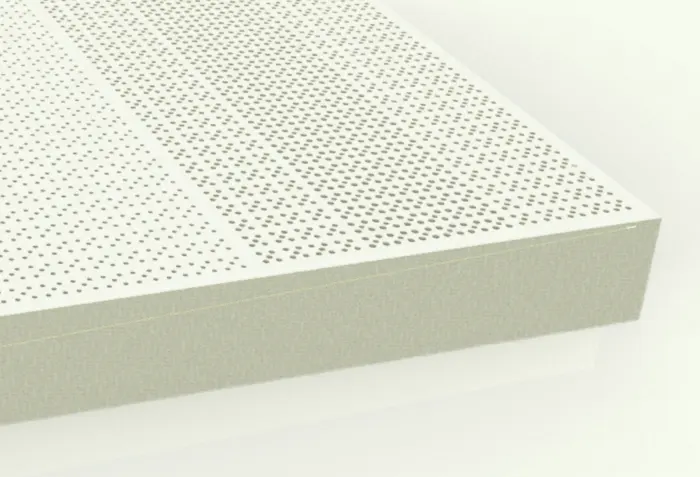
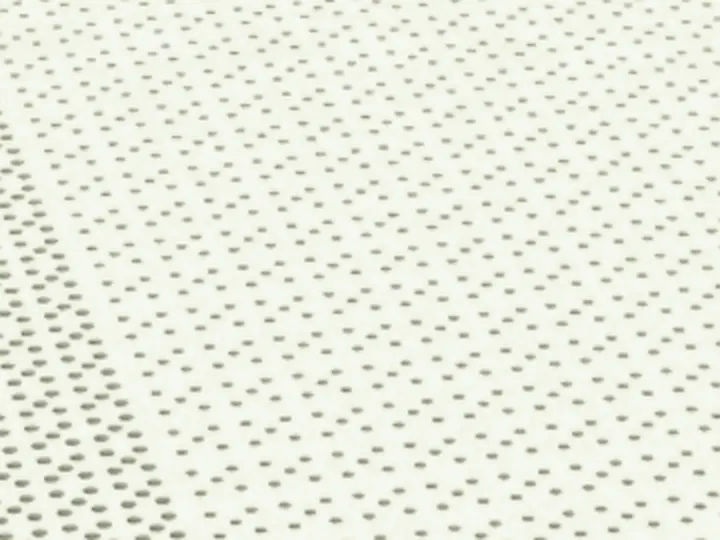
  • Close-up of natural latex foam with its rows of pin-core ventilation holes

    Natural rubber foam begins as the milky sap of the rubber tree. Product Class I sets the strictest OEKO-TEX® limits, written for babies' articles.

  • Certified for baby useOEKO-TEX® STANDARD 100, Product Class I: the class for baby articles. Certificate 15.HBG.57170 (Hohenstein), held by our latex supplier, valid until 31 March 2027.
  • 175 substances · 0 above limitEvery substance was tested individually against the strictest limits, the ones written for baby articles. All results are in the laboratory section.
The evidence in numbers

175 tests. 175 substances. 0 above the limits.

Every substance in the laboratory report was tested individually against the strictest OEKO-TEX® limits, the ones written for baby articles.

  • 175testsindividual laboratory results in Hohenstein report 26.0009386
  • 175substanceschecked against the Product Class I limits for baby articles
  • 0above the limitsevery result is within the strictest limits, the ones written for baby articles
Natural rubber foam

It starts as the milk of a tree.

Natural latex is the milky sap of the rubber tree, Hevea brasiliensis. Made into foam, it becomes natural rubber foam: the elastic, breathable material at the heart of our latex (rubber foam) mattresses, toppers and pillows.

Natural rubber is a renewable raw material. It is harvested from living trees, which keep growing and are tapped again and again.

Fresh white latex flowing from a tapping cut in a rubber tree into a collecting cup
  1. A diagonal tapping cut in the bark of a rubber tree1Tapping

    A thin strip of bark is shaved away and the white latex starts to flow. The tree is not cut down, and its bark renews.

  2. A cup of fresh white latex fixed to the trunk of a rubber tree2Collecting

    The latex gathers in a small cup. It is collected and concentrated, so that it can travel to the factory as a liquid.

  3. Macro view of the pin-core holes in natural latex foam3Foaming & curing

    In the Dunlop process, the liquid latex is whipped with air, poured into a mould and cured with heat into elastic rubber foam, with the process under Siemens Monitoring. The pins of the mould leave its ventilation channels.

  4. A finished zoned natural latex core4Washing & finishing

    The foam is washed, dried and checked, then cut and finished into cores for latex (rubber foam) mattresses, toppers and pillows.

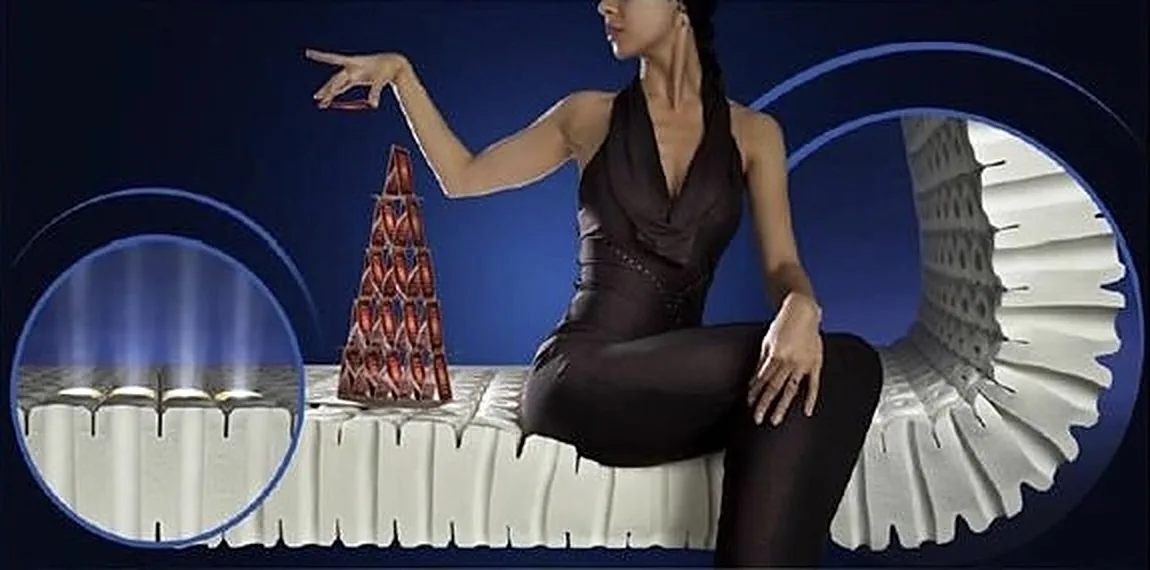
A woman sitting on a natural latex core, with a close-up circle showing air moving through its ventilation channels
Built to breathe

Air moves through every channel.

The pins of the mould leave ventilation channels through the natural latex core. They let air and moisture move away from the body. A breathable cover and a slatted base complete the system.

  • Open-cell structure
  • Pin-core channels
  • Breathable cover
Natural latex
The milky sap of the rubber tree
Natural rubber
The elastic material in that sap
Natural rubber foam
Latex foam made from it, also called natural latex foam
Dunlop
The moulding process used for our cores
Manufacturing integrity

Natural rubber Dunlop latex.

Every latex (rubber foam) mattress and topper we make is built around a natural rubber Dunlop latex core.

Our Orthopaedic model adds layers of natural coconut coir for extra firmness. Natural rubber is biodegradable.

  • No pocket springs
  • No memory foam
  • No polyurethane cores
The meaning of Product Class I

Standards designed for the most sensitive among us.

OEKO-TEX® STANDARD 100 tests materials for substances of concern. It sorts articles into four product classes. The closer an article comes to the skin, and the younger the person using it, the stricter the limits.

Product Class I covers articles for babies and young children up to 36 months. It sets especially demanding limits for certain substances. Material that meets Class I has been tested against the strictest set of limits in the standard. That matters wherever you sleep, not only in the nursery. It is an international standard, recognised across the UK and Europe.

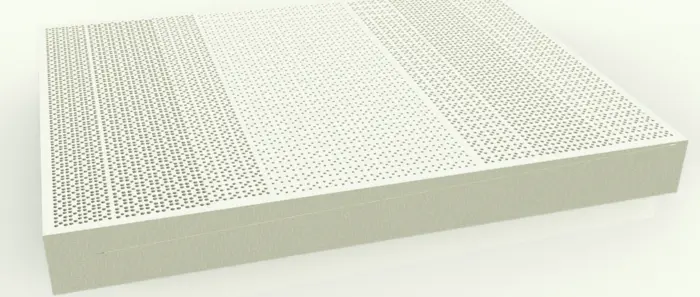
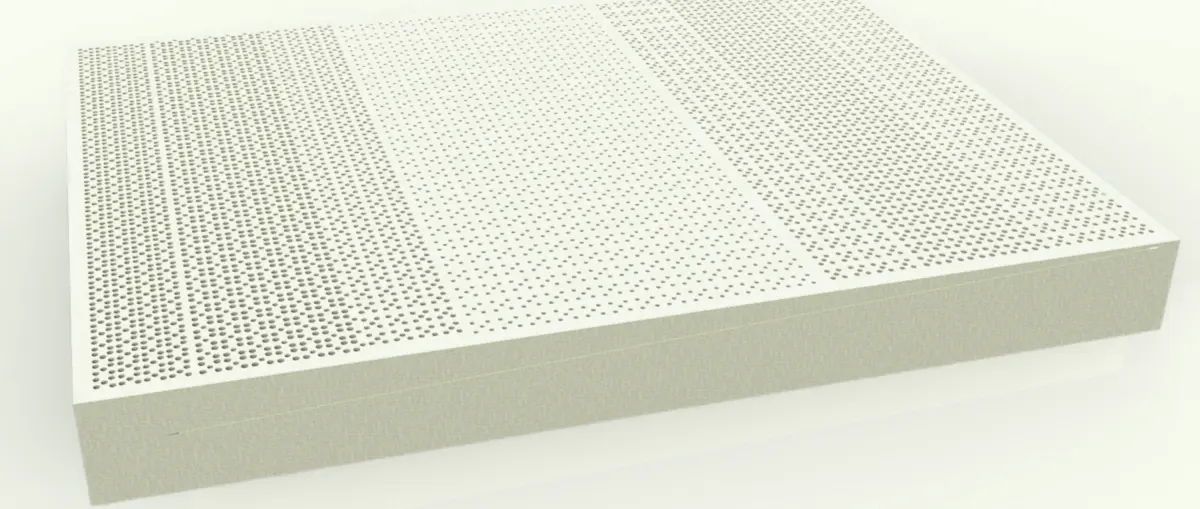
A zoned latex core with rows of ventilation channels across its surface
A natural latex core. Pin-core channels let the foam breathe, and zones with different hole patterns tune the support.
  1. Product Class IArticles for babies and young children up to 36 months
  2. Product Class IIArticles with direct skin contact
  3. Product Class IIIArticles with little or no skin contact
  4. Product Class IVDecoration materials
Certified for baby use · Class I

Latex cores

The latex cores, roll latex and latex pillows from our latex supplier are certified to OEKO-TEX® STANDARD 100, Product Class I (baby articles), by Hohenstein, certificate 15.HBG.57170. The certificate covers the latex range named in its scope and shows the standard the production is tested to.
Tested by Hohenstein

Covers & textiles

Our cover fabrics are tested by Hohenstein, the independent institute behind our OEKO-TEX® certificate, for direct skin contact. Four cover options are available, including one made with silver.

Scope: the certificate covers the latex cores, roll latex and latex pillows named in its scope. Covers and other textile parts are tested separately by Hohenstein.

OEKO-TEX® is known for textiles. It covers foam too.

Most people know OEKO-TEX® STANDARD 100 from fabrics and clothing. The standard is not limited to textiles: it also covers foams and other materials used inside a product. For our latex, the proof is in the certificate itself. Certificate 15.HBG.57170 names latex cores, roll latex and latex pillows in its scope, and the foam material was tested in the laboratory by Hohenstein against Product Class I.

Covers and other textile parts are tested separately, under the textile requirements.

Certificate 15.HBG.57170OEKO-TEX® STANDARD 100 · Product Class I · Hohenstein · valid until 31 March 2027Verify on OEKO-TEX® Label Check
Laboratory results

175 substances tested. None above its limit.

An independent laboratory tested the latex against the strictest limits in the standard, the ones written for baby articles. Here are the results, in plain English.

  • 175substances tested against the strict limits for baby articles
  • Class Ithe strictest limits, written for baby articles
  • 0above any limit

Every result is shown below, group by group.

No detectable: formaldehyde heavy metals phthalates bisphenol A nitrosamines organotins benzene, toluene & styrene chlorinated solvents

  • FormaldehydeNot detected
  • Heavy metals11 elementsNot detected
  • Phthalates24 substancesNot detected
  • Bisphenolsincluding BPANot detected
  • Nitrosamines15 substancesNot detected
  • Nitrosatable substances15 substancesWithin the limit
  • PAHs22 substancesWithin the limit
  • Solvents & VOCs40 substancesNot detected
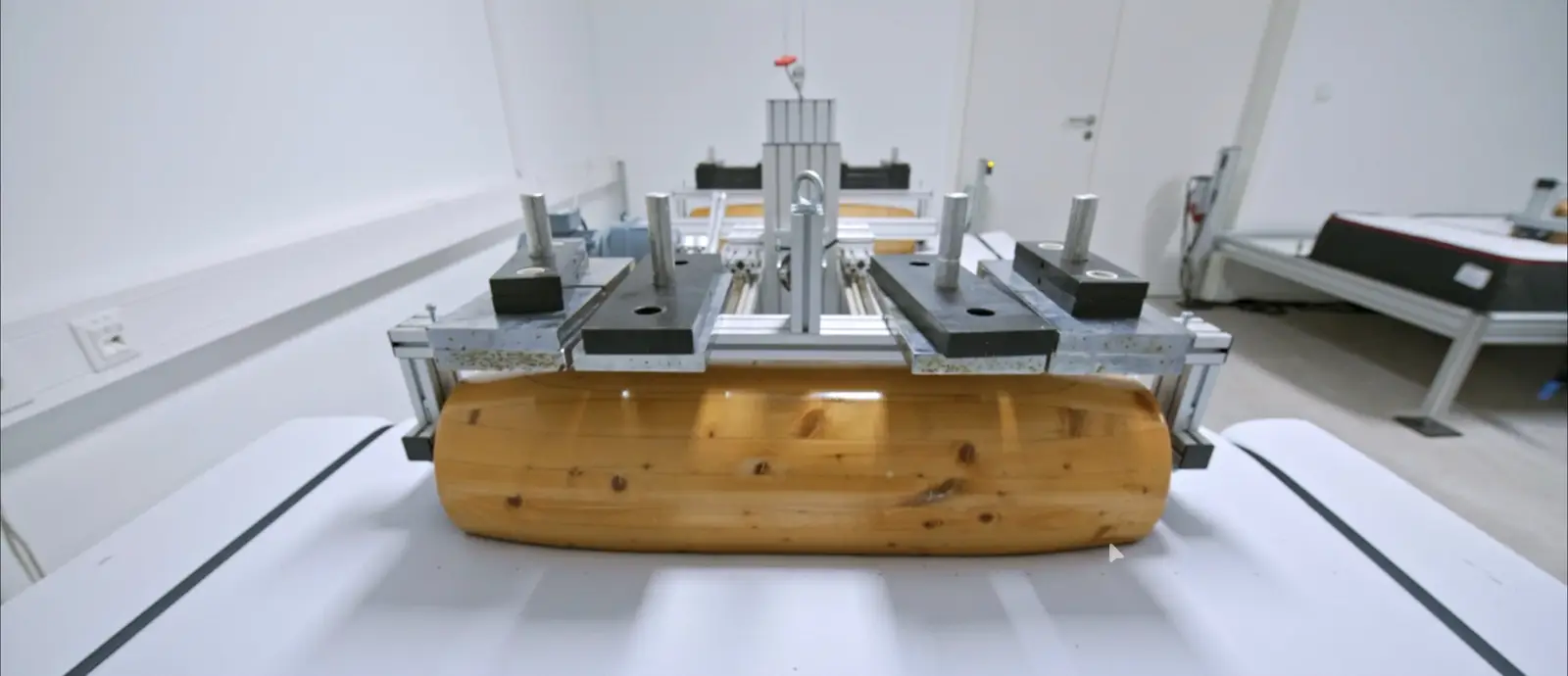
Durability testing: samples are tested to simulate years of use.
A mattress sample on a durability testing rig in a white laboratory

Source and scope: Hohenstein test report 26.0009386 (14 April 2026), carried out under OEKO-TEX® STANDARD 100, Annex 4, Product Class I (edition 04.2025/V3), on latex foam from our latex supplier. The sample tested came from the supplier's certified latex range. The results show the chemistry of the factory's latex production against the strictest OEKO-TEX® class. "Not detected" means below the laboratory's reporting limit, not zero. A few results combine closely related compounds that the method cannot separate.

Formaldehyde

Not detected1 substance
What was tested
Free and releasable formaldehyde.
Why it matters
Formaldehyde can come from some resins and finishes. It is an irritant, so its limits for baby articles are especially strict.
Result
Not detected. The laboratory reports a reporting limit of below 10 mg/kg. Its method note says "not detected" corresponds to below 16 mg/kg.
Applicable limit
Below 16 mg/kg (Product Class I)
What it means
Formaldehyde was not found at or above the level the method can report. That is within the Class I requirement.
Reference
Report 26.0009386, page 7

Extractable heavy metals

Not detected11 elements
What was tested
Antimony, arsenic, lead, cadmium, chromium, cobalt, copper, nickel, mercury, barium and selenium.
Why it matters
Some metals can come from pigments, catalysts or the environment. The test measures what could be extracted under test conditions.
Result
None of the 11 elements was detected.
Applicable limits
Element by element, for example lead below 0.20 mg/kg, cadmium below 0.10 mg/kg and mercury below 0.020 mg/kg.
Reference
Report 26.0009386, page 8
All results, mg/kg
ElementResultReporting limitClass I limit
Antimonyn.d.< 4< 30
Arsenicn.d.< 0.05< 0.20
Leadn.d.< 0.05< 0.20
Cadmiumn.d.< 0.05< 0.10
Chromiumn.d.< 0.1< 1.0
Cobaltn.d.< 0.1< 1.0
Coppern.d.< 4< 25
Nickeln.d.< 0.10< 1.00
Mercuryn.d.< 0.010< 0.020
Bariumn.d.< 4< 1000
Seleniumn.d.< 4< 100

Phthalates

Not detected24 substances
What was tested
24 substances: 22 phthalate plasticisers (including DEHP, DBP, BBP, DINP and DIDP), di-n-undecyl phthalate and 2,4,6-tri-tert-butylphenol.
Why it matters
Phthalates soften plastics. Several are restricted because of their possible effects on health.
Result
None was detected (reporting limit below 50 mg/kg for each).
Applicable limit
Sum of phthalates below 500 mg/kg
Reference
Report 26.0009386, pages 20–21

Bisphenols & related phenolic compounds

8 not detected1 measured below limit
What was tested
Bisphenol A, B, AF, F and S, plus four related compounds in the same laboratory group.
Why it matters
Bisphenol A is restricted in many consumer products. Class I sets a particularly low limit for it.
Result
Bisphenol A and the other bisphenols were not detected (reporting limit below 5 mg/kg). One compound in this group was measured: 2,2'-methylenebis(4-methyl-6-tert-butylphenol), a phenolic antioxidant used to protect rubber against ageing, at 24 mg/kg.
Applicable limits
Bisphenol A below 10 mg/kg. The measured antioxidant: below 1,000 mg/kg.
What it means
The measured antioxidant was at 2.4% of its limit. 24 mg/kg measured · limit below 1,000 mg/kg
Reference
Report 26.0009386, page 19

Nitrosamines

Not detected15 substances
What was tested
15 N-nitrosamines, measured directly in the material.
Why it matters
Nitrosamines are a group of compounds of health concern, and rubber products are routinely checked for them.
Result
None of the 15 was detected (reporting limit below 0.10 mg/kg each).
Applicable limit
Below 0.50 mg/kg for each
Reference
Report 26.0009386, pages 23–24

Nitrosatable substances

Measured below limit15 substances
What was tested
15 nitrosatable substances. These are not nitrosamines, but compounds that could form nitrosamines under particular conditions. They are reported separately from the direct results above.
Why it matters
Residues of this kind can come from the ingredients used to cure rubber. The standard limits their combined amount.
Result
One was measured: nitrosatable N-nitrosodiethylamine at 2.55 mg/kg. The other 14 were not detected.
Applicable limit
Sum of nitrosatable substances below 5.00 mg/kg
What it means
The total measured (2.55 mg/kg) is below the Class I limit, at about half of it. 2.55 mg/kg measured · limit below 5.00 mg/kg
Reference
Report 26.0009386, pages 23–24

Polycyclic aromatic hydrocarbons (PAHs)

21 not detected1 measured below limit
What was tested
24 PAHs, reported as 22 results (three closely related compounds are measured together).
Why it matters
PAHs can come from some oils and carbon black used in rubber and plastics. Several are of health concern.
Result
Naphthalene was measured at 0.22 mg/kg. All others were not detected (reporting limit below 0.20 mg/kg).
Applicable limits
Naphthalene 2.00 mg/kg or below. Sum of 24 PAHs below 5.00 mg/kg.
What it means
Naphthalene was at 11% of its limit. 0.22 mg/kg measured · limit 2.00 mg/kg or below
Reference
Report 26.0009386, page 11

Solvents & volatile compounds

Not detected40 substances
What was tested
40 substances, including 15 chlorinated solvents, benzene, toluene, styrene, xylenes, 1,4-dioxane, glycol ethers and cresols.
Why it matters
Residual solvents and volatile compounds can be left over from production processes.
Result
None was detected. One of these, 2-butanone oxime, is listed for information and is not currently regulated.
Applicable limits
Set per substance, for example benzene 1.0 mg/kg or below and styrene below 10.0 mg/kg
Reference
Report 26.0009386, pages 12–13

Other tested substances

Not detected38 substances · pH within range
What was tested
Organotin compounds (18), siloxanes (7), alkylphenols and their ethoxylates (7), chlorinated paraffins (2), melamine, azodicarbonamide, N-(hydroxymethyl)acrylamide and triphenyl phosphate. pH was also measured.
Result
None of the 38 substances was detected. pH was 6.4.
Applicable limits
Set per substance. pH for foam: between 4.0 and 9.0.
Reference
Report 26.0009386, pages 6 and 9–22

These are laboratory results for the tested sample under the stated methods. They show how the material compares with the limits for the substances tested. They do not cover every possible substance or effect, and they are not a medical assessment.

Our certificate

Certified, and easy to verify.

Standard
OEKO-TEX® STANDARD 100
Product class
I · certified for baby use
Certificate
15.HBG.57170
Issued by
Hohenstein
Recognised in
The UK and Europe
Valid until
31 March 2027
Laboratory report
Hohenstein, 14 April 2026
Verify on OEKO-TEX® Label Check

Enter the certificate number on the official OEKO-TEX® website. Would you like to see a document? Write to support@divinedunlop.com.

  • 1Copy the numberCertificate 15.HBG.57170, as shown above.
  • 2Open Label CheckThe official OEKO-TEX® website, linked above.
  • 3See it for yourselfHolder, scope and validity, straight from OEKO-TEX®.
Our ecosystem

One ecosystem. Every partner with a clear role.

From the raw latex to your door, each part of our structure has one job, and works to UK & European standards.

  • Brand & product concept · UKDivine DunlopDreamsDesigns each model as a complete sleep system, sets the comfort and firmness rules, and looks after you as a customer.
  • Logistics & commercial operationPro LatexThe operating company behind Divine DunlopDreams. It coordinates production, supply and delivery across the partner chain.
  • Latex supplyOur latex supplierOne of the specialist producers in our supply chain. It makes natural latex foam by the Dunlop process to our comfort and firmness specifications, and holds the OEKO-TEX® STANDARD 100 certificate 15.HBG.57170 (Product Class I).
  • Independent instituteHohensteinTests and certifies textiles and materials, carries out audits, and is one of the institutes authorised to issue OEKO-TEX® certificates. It tested the latex and issued certificate 15.HBG.57170.
  • Test centreIntertekA test centre in our system of partners, working alongside Hohenstein.
  • System partnerHealth UnionPart of our system of partners.
  • Production controlSiemens MonitoringSiemens industrial process-control and monitoring systems keep mixing, temperature and curing consistent from batch to batch. Siemens supplies the control technology, not the latex.
  • Production methodDunlop processThe established European method for natural latex foam: foamed latex is moulded and vulcanised in one step for a dense, elastic and durable core.
Made in Europe, for the UK

UK & European standards. Certified production.

Our natural Dunlop latex is produced in Europe and certified to standards recognised across the UK and Europe, from OEKO-TEX® STANDARD 100 to ISO management systems. You buy direct from our European production chain and our UK depot, with no showroom in between.

  • Produced in specialised European facilities
  • Certified to UK & European standards
  • Delivered direct to your door from our UK depot
Made by the producer, in Europe.

Our natural Dunlop latex foam is made in specialised facilities in continental Europe, to UK and European standards, and delivered to you from our UK depot.

Our customers buy directly from the producer.

The chain, step by step: 1 · latex milk from Indonesia; 2 · prepared in Bulgaria, where the latex milk is cleaned and prepared; 3 · Germany, where the latex cores and the textiles are made, with quality tests; 4 · England, final quality test of the core, final packaging and distribution from our UK depot.

Management standards in our supply chain

  • ISO 9001Quality managementSets out how a manufacturer plans, controls and checks its work, so that every product is made the same way and problems are found and corrected. First certified in our latex supply chain in 2008.
  • ISO 14001Environmental managementSets out how a manufacturer identifies and controls the environmental effects of its production, such as energy, waste and emissions, and keeps improving them. First certified in 2008.
  • ISO 45001 (formerly OHSAS 18001)Health & safety at workSets out how a manufacturer protects the people who work in the factory. Certified to OHSAS 18001 from 2008, then to its successor ISO 45001 from 2020.
  • Who certified themSGS · first certified 2008All three management systems were audited and certified by SGS, for the design and manufacture of foamed latex products, mattresses and pillows. The certificates on file cover 2020–2023. They describe how the factory is run. They are not tests of the material itself.
Know before you buy

Everything we think you should know about latex.

Open any topic for the short version, then the detail underneath.

Natural rubber foam, explained

Where latex foam comes from, how it is made, and how to tell the types apart.
How latex foam is made

Natural latex is the milky sap of the rubber tree, Hevea brasiliensis. It is whipped with air, set in a mould and cured with heat (vulcanised) into elastic foam. The pin-cores of the mould leave channels that let air move through the foam.

Dunlop or Talalay?

Both are ways of making latex foam.

  • Dunlop: the foamed latex fills the mould and is cured in one step. The result is a dense, resilient and long-lasting foam that can be made in several firmnesses. It is the process we use.
  • Talalay: the mould is only partly filled, then vacuum-expanded and flash-frozen before curing. That gives a lighter, softer-feeling foam through a more complex process.

Both can be made in a range of firmnesses, so we see no need to combine them.

Firmness and density

Our firmness grades are defined by the density of the foam:

  • Soft (S): about 63 kg/m³
  • Medium (M): about 75 kg/m³
  • Firm (F): about 83 kg/m³, often preferred by people over about 95 kg
  • Extra Firm (EF): for firm orthopaedic builds

The right choice depends on your weight and sleeping position. Our firmness guide helps you choose.

Comfort in everyday use

What natural rubber foam does well, described as properties rather than promises.
Comfort and pressure distribution

Latex foam is highly elastic. It yields under the shoulders and hips and pushes back evenly, which spreads body weight across a larger area instead of concentrating it at a few points.

Support and zoning

Zones with different pin-core patterns give firmer or softer areas along the length of the core. That helps keep the spine in a natural line, together with the right firmness for your weight.

Durability

Latex foam is known for keeping its shape and resilience over many years of use. Samples are put through durability tests that simulate 10 years of use, and we back our natural latex cores with a 15-year guarantee. The full terms are set out in our warranty and terms.

Motion isolation and quiet

With no springs, a latex core absorbs movement locally and does not squeak, so a partner turning over is less noticeable.

Choice and customisation

Firmness, thickness, size and cover can be chosen, including custom sizes and separate firmness for each partner.

Temperature and ventilation

An honest view: a mattress helps, but it is not an air conditioner.
The reality

No mattress can regulate the temperature of your room. What it can do is let air and moisture move away from the body, so that heat does not build up.

What makes the difference

Ventilation comes from the whole system: the open cells and pin-core channels of the foam, a breathable cover, and a slatted base that lets air reach the underside of the latex (rubber foam) mattress.

Hygiene, dust mites and allergies

Practical facts about keeping your latex (rubber foam) mattress fresh, including our silver cover option.
Keeping a latex (rubber foam) mattress fresh

Moisture and poor ventilation encourage dust mites and microorganisms. Good airflow through the core and the base helps the latex (rubber foam) mattress stay dry. A removable, washable cover and an aired bedroom do the rest.

Covers with silver

Our cashmere cover option is made with silver, in two forms: fine silver micro-threads woven into the fabric, and ionic silver bound to the fibres. Silver has been used for centuries to keep things fresh. In textiles it helps limit the growth of bacteria on the surface of the fabric, the part that is closest to you. It works together with ventilation and regular washing of the cover, not instead of them.

Latex allergy

Some people have an allergy to natural rubber latex. If you know or suspect that you do, please speak to your doctor before buying any latex product. The latex core sits inside a textile cover and is not meant to touch the skin directly.

Healthy sleep habits

General tips that help anyone sleep better, whatever they sleep on.
Light and screens

Light affects your body clock. Dimming lights and putting screens away before bed makes it easier to fall asleep.

Routine

Going to bed and getting up at regular times helps your body settle into a steady rhythm. Most adults need around 7 to 9 hours of sleep.

Wind down

Calm activities before bed, such as reading or quiet music, help many people relax. Regular daytime exercise also tends to support better sleep.

Your sleeping surface

A mattress, pillow and base that suit your weight and sleeping position make it easier to rest comfortably. If you have ongoing sleep or back problems, a GP or physiotherapist is the right person to advise you.

Natural origin

Why a material from a tree makes a difference.
From the rubber tree

Natural latex comes from the sap of the rubber tree, a renewable resource. It is collected by tapping living trees, which keep growing and are tapped again for many years.

Compared with petroleum-based foams

Memory foam and standard polyurethane foams are made from petrochemicals. Natural rubber is biodegradable: it breaks down naturally over time, which petroleum-based foams do not. Choosing natural latex means less petroleum-based material in your bed.

Our latex (rubber foam) mattress covers

Four cover options, all removable and washable.
100% organic cotton

A light, breathable cover that works with the airflow of the latex core, for a fresh, airy feel.

Care: wash gently at up to 40°C; cotton may shrink.

Dual-sided cotton & wool

Cotton on one side for breathability, natural wool on the other for warmth and moisture management. Turn the latex (rubber foam) mattress to choose your side.

Care: wash at up to 40°C.

Aloe vera, cotton & viscose

A soft, smooth, elastic knit with an aloe vera finish, for added comfort and easy care.

Care: wash at up to 40°C.

Cashmere with silver

Our most luxurious cover. Soft, durable cashmere is combined with silver, which helps keep the fabric fresh and reduces static.

Care: wash at up to 40°C.

Common to every cover
  • Zip, so the cover comes off for washing at up to 40°C
  • Fabrics tested by Hohenstein for direct skin contact
  • A 2 cm layer of cotton padding for extra comfort
  • Made to meet UK fire-safety regulations
  • No chemical sprays or finishes applied to the covers
  • Made to fit your chosen size and depth

The Dunlop process, step by step

Nine stages from the tree to your door.
1 · Latex collection

Natural latex is collected by making a thin cut in the bark of the rubber tree and gathering the sap.

2 · Purification and compounding

The latex is cleaned of impurities and concentrated, then prepared for foaming and curing.

3 · Moulding

The foamed latex is poured into large metal moulds, shaped and sized for each latex (rubber foam) mattress or topper. The mould's pins form the ventilation channels.

4 · Vulcanisation

The moulds are heated so that the latex cures into stable, elastic rubber foam. This step decides much of the core's quality, and it is kept under Siemens Monitoring.

5 · Washing and drying

The cured foam is washed and dried to remove excess moisture and residues, which keeps it fresh.

6 · Finishing

The latex is cut and trimmed, and its density is checked so that each firmness meets our specification.

7 · Assembly

The core is fitted into its breathable cover, with a zip for easy removal and washing.

8 · Quality control

Before dispatch, products are checked for firmness, finish and dimensions.

9 · Packaging and delivery

Each product is packed to protect it in transit and delivered from our UK depot.

Straight answers

Everything you may want to know, answered clearly.

Clear answers about our certificates, our latex and how we make it.

What does OEKO-TEX® STANDARD 100, Product Class I actually tell me?

An independent institute, Hohenstein, tested the certified latex for a long list of substances of concern. It judged the results against the strictest limits in the standard, the ones written for articles used by babies. OEKO-TEX® certificates must be renewed every year, so the testing is never a one-off.

Does OEKO-TEX® cover latex foam?

Yes. OEKO-TEX® STANDARD 100 is best known for textiles, and it also covers foams and other materials used inside a product. Hohenstein tested the latex foam itself, and certificate 15.HBG.57170 names latex cores, roll latex and latex pillows in its scope. Covers and other textile parts are tested separately, under the textile requirements.

Is it certified for baby use?

Yes. Our latex cores, roll latex and latex pillows are certified by Hohenstein to OEKO-TEX® STANDARD 100 Product Class I, the class for baby articles (certificate 15.HBG.57170). Class I applies the strictest limits in the standard, the ones written for babies and young children up to 36 months. Our cover fabrics are tested by Hohenstein for direct skin contact. A finished cot mattress also has its own UK safety requirements.

Are these standards recognised in the UK?

Yes. OEKO-TEX® STANDARD 100 and ISO management systems are international standards, recognised across the UK and Europe. Our products are made to UK and European standards, our covers are made to meet UK fire-safety regulations, and everything is delivered from our UK depot.

What is our latex made from?

Our latex foam is made mainly from natural rubber, tapped from the Hevea brasiliensis tree. As in every latex foam, a small amount of curing ingredients sets the liquid latex into stable, elastic foam during the Dunlop process.

What do the laboratory results show?

No substance is above its limit. We tested 175 substances against the Product Class I limits, the strictest in the standard and the ones written for baby articles. Every result is listed in the laboratory section of this page.

So is it chemical-free?

Nothing physical is free of chemicals, and natural rubber is itself made of them. "Chemical-free" is not a standard term, so we look at what matters: which harmful substances are regulated, and whether they were tested. Our latex was tested against the substance groups required by OEKO-TEX® STANDARD 100, Product Class I, which covers formaldehyde, heavy metals, phthalates, bisphenols, nitrosamines, PAHs, solvents and volatile compounds, and other groups. Of the 175 substances tested, none exceeded its limit.

Who certifies our latex and production?

Our certified products are made within a certified supply chain. The OEKO-TEX® certificate for the latex is held by our latex production partner, part of the certification is held in our own production, and we require every supplier, including the factory that supplies our boards, to hold certification that meets our standards. You can check each certificate number on the official OEKO-TEX® website.

Can I check a certificate myself?

Yes. Enter 15.HBG.57170 on the official OEKO-TEX® Label Check website, linked in the evidence section. It shows the holder, scope and validity directly from OEKO-TEX®.

How do you keep this page up to date?

We track the renewal date of every certificate and review this page regularly, so what you read here is current. The date of the last review is shown at the bottom of this page.

Good to know

  • The certificates on this page are held by the certified producers in our supply chain and cover the materials named in their scope.
  • Laboratory results apply to the samples tested, using the stated methods. "Not detected" means below the laboratory's reporting limit.
  • This page explains how our materials are tested and how latex works. It does not replace the UK safety requirements for baby mattresses.
  • Every document shows the period it covers. Nothing on this page changes our product specifications, warranty or returns policy.

Evidence first. Clarity always.

We would rather show you the document than use a bigger adjective. Our team is happy to share any certificate you would like to see: write to support@divinedunlop.com.

Last reviewed: .